The Milky Way: hundreds of billions of stars, and one of them is ours.
What our galaxy is, its bar and spiral arms, where the Sun sits, the black hole in the middle, the neighbours (one of them heading our way), how to see the Milky Way with your own eyes, and the people who mapped it. Every fact is linked to its source, and there is a quiz at the end.
The short version
The Milky Way is the galaxy we live in: a huge collection of stars, gas, dust and dark matter, all held together by gravity. Royal Observatory
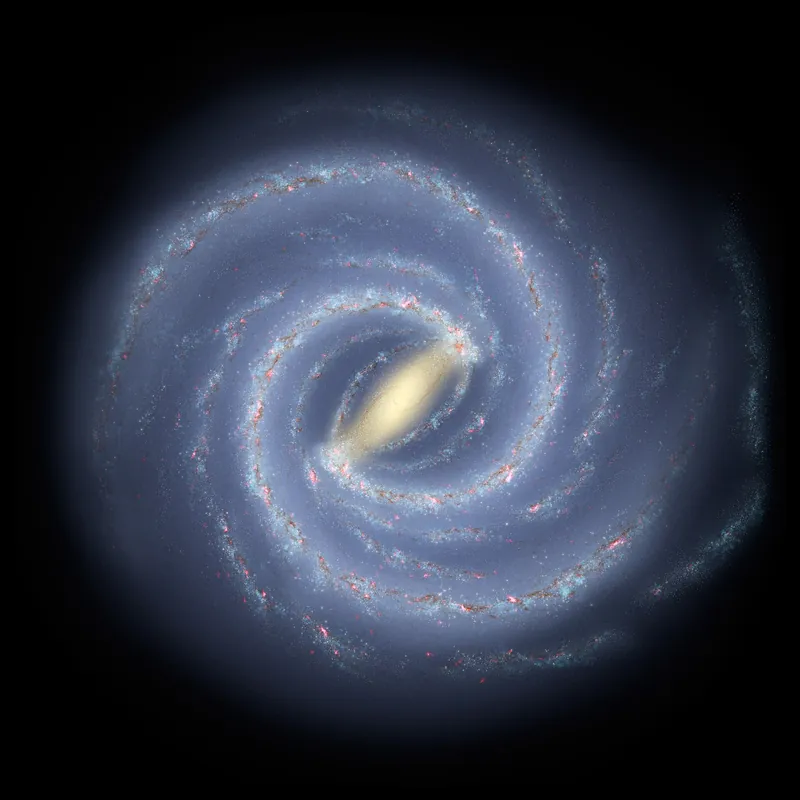
It is a large barred spiral galaxy. NASA Imagine
Every star you can see in the night sky is part of our own Milky Way. NASA Imagine
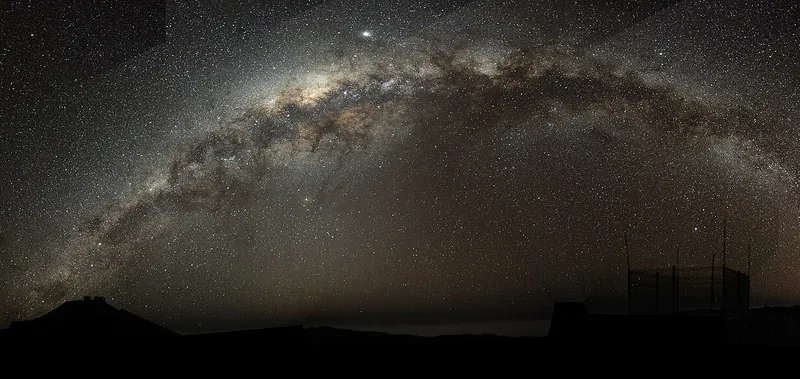
From Earth it looks like a faint, milky band of light arching across the whole sky, which is how it got its name. NASA, galaxies
NASA: Earth sits along one of the spiral arms, about halfway from the centre. NASA, galaxies
Sources don’t always agree on the numbers, such as how wide the galaxy is or how long one orbit takes. Where they differ, we show each figure side by side.
Explore
 The basicsStars, size, age and a lot of dust.
 Arms and barA peanut, a pencil and four arms.
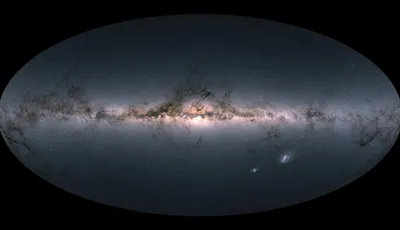 You are hereHalfway out, at 828,000 km/h.
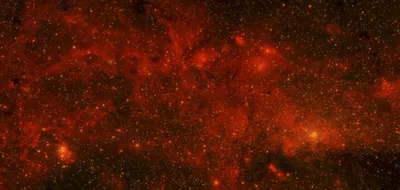 The centreHidden by dust, seen in infrared.
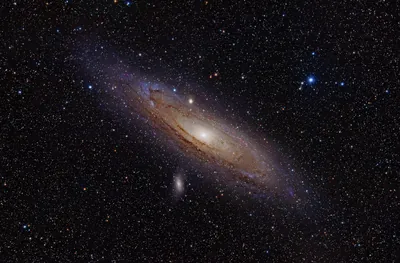 NeighboursAndromeda, the Clouds and the future.
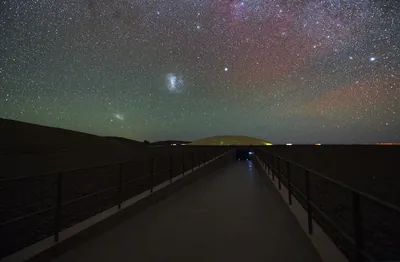 How to see itDark skies, including the Isle of Man’s.
Tile pictures are credited on their pages and on the credits page.
Try the games
A 12-question quiz, a myth-or-fact challenge, and a galactic odometer that works out how far you have travelled round the galaxy since you were born.
More from the family: the black hole at our centre has its own site, black-holes.galaxies.im; the planets and moons of our own solar system live at planets.im.